

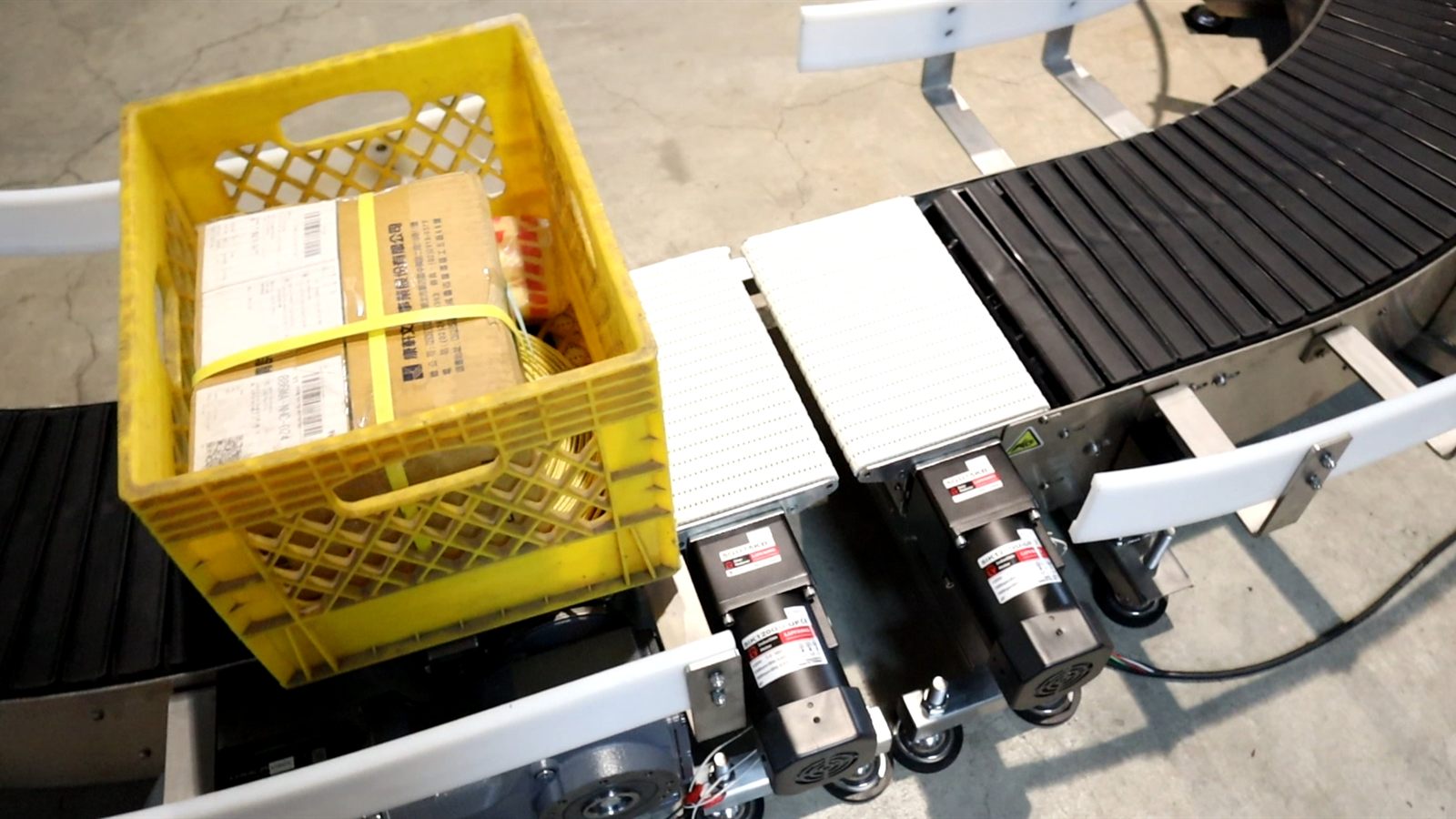
Custom Conveyor Solutions
A separate entry, not a variant of the three above: configured to the layout, orientation and connection points a particular installation requires.
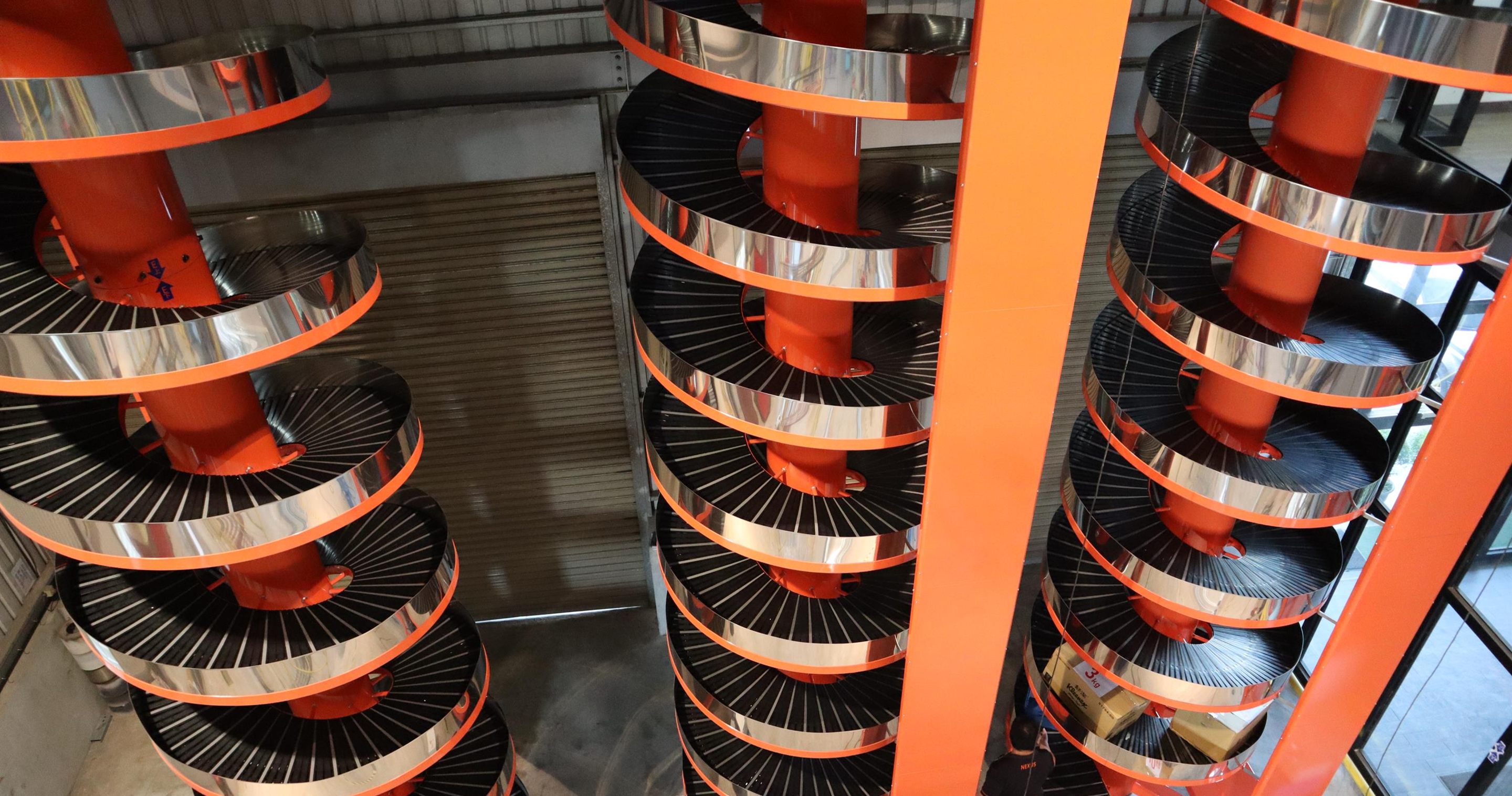
Spiral, curve and miniature conveyors — designed and manufactured in Taiwan, around the goods you carry, the space you have, and the equipment on either side.
What NEXUS makes
NEXUS designs and manufactures conveying equipment for factories and distribution centres — spiral conveyors that change level, curve conveyors that change direction, and miniature conveyors that close the gap between two machines. They run in logistics and e-commerce, dairy and beverage, paper, print, soap, tyre and garment production.
There is no catalogue machine. Every conveyor is drawn for the installation it is going into, then built.
Product range
Choose by what the goods have to do: rise, turn, or bridge the gap between two machines.
Vertical conveying, accumulation and process time within a compact footprint.
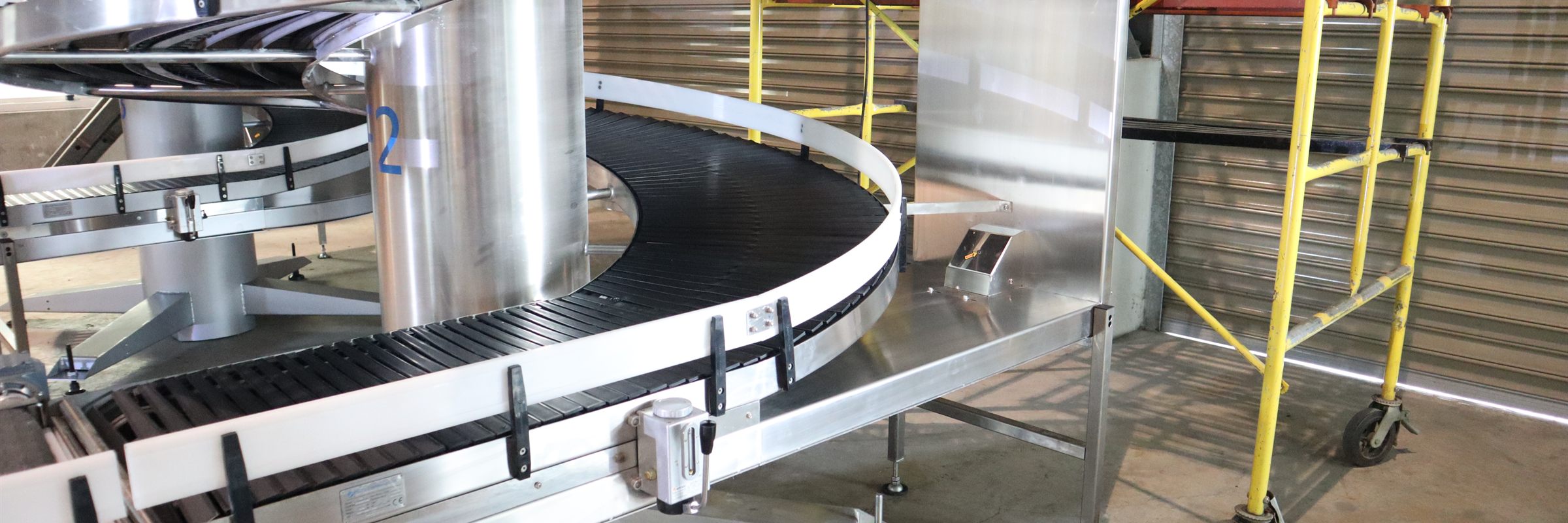
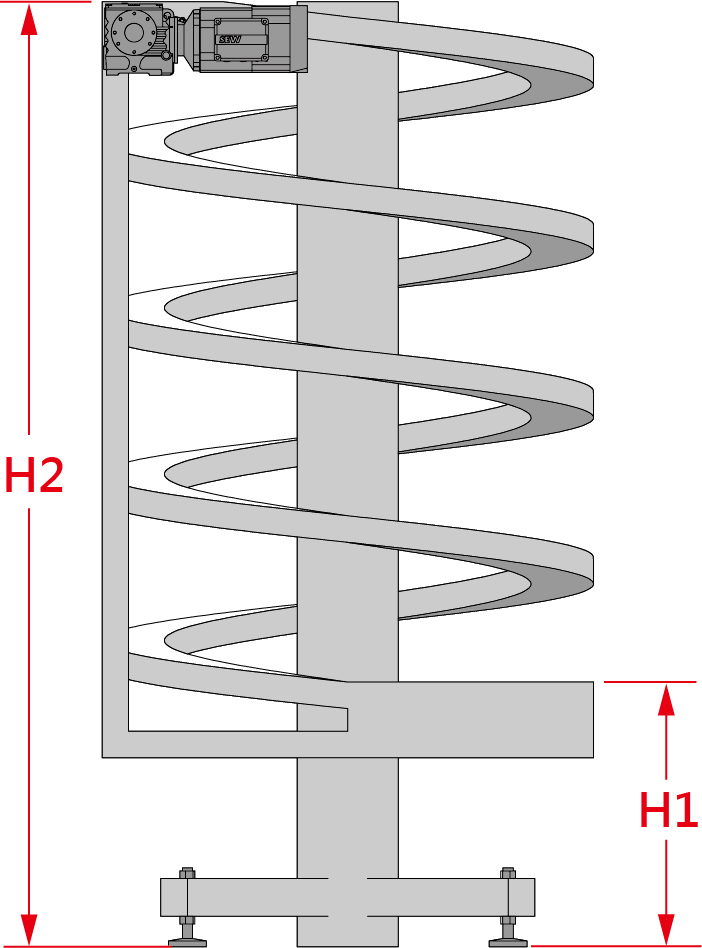
Powered spiral conveyors may be specified for upward, downward or reversible operation. Dual Track Spiral Conveyors may be configured with opposing travel directions, including one track upward and one track downward. Gravity Roller Spiral Conveyors are unpowered and downward only, by gravity.
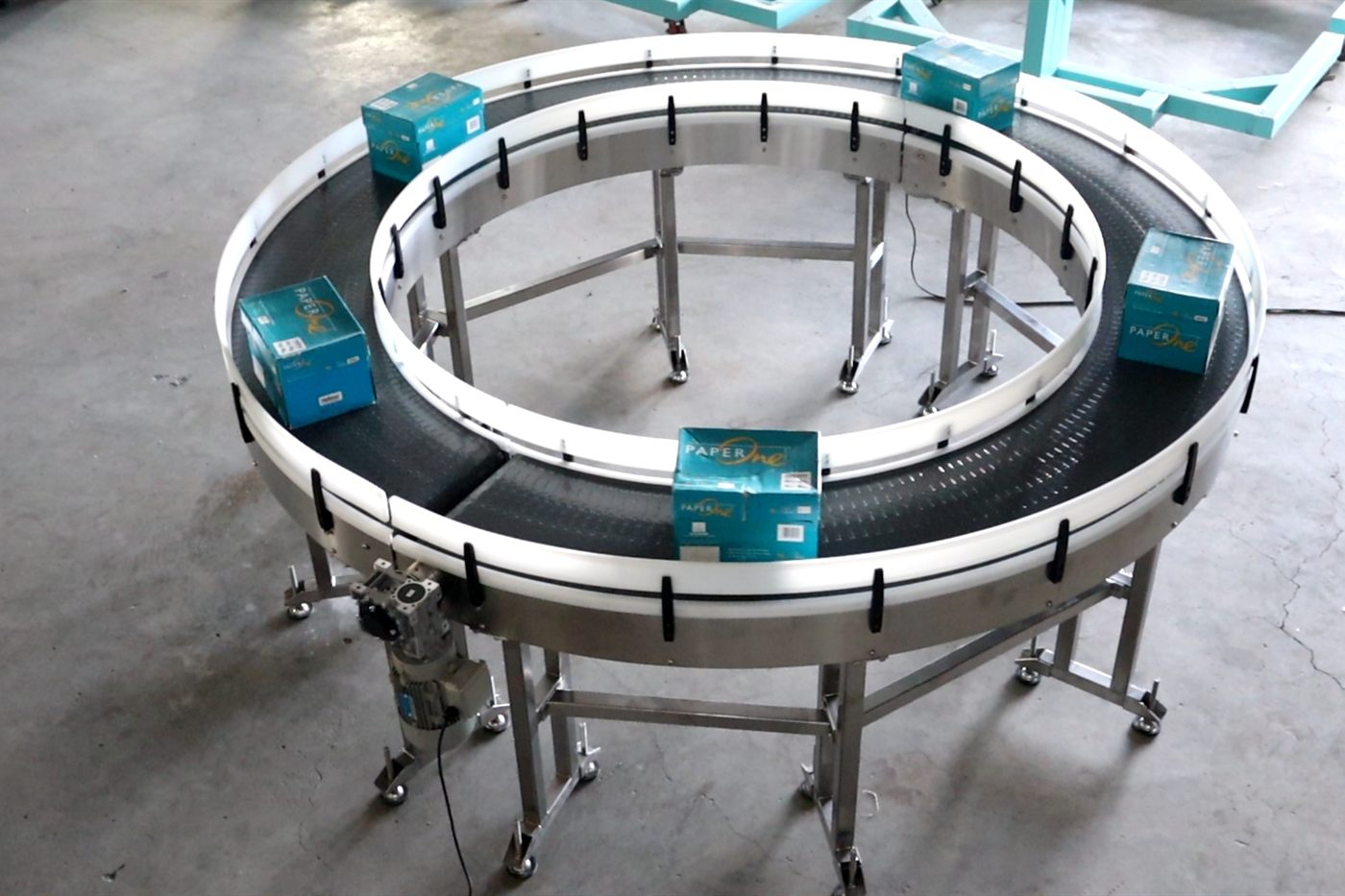
Modular-belt conveying for changes in direction between conveyors and machines.
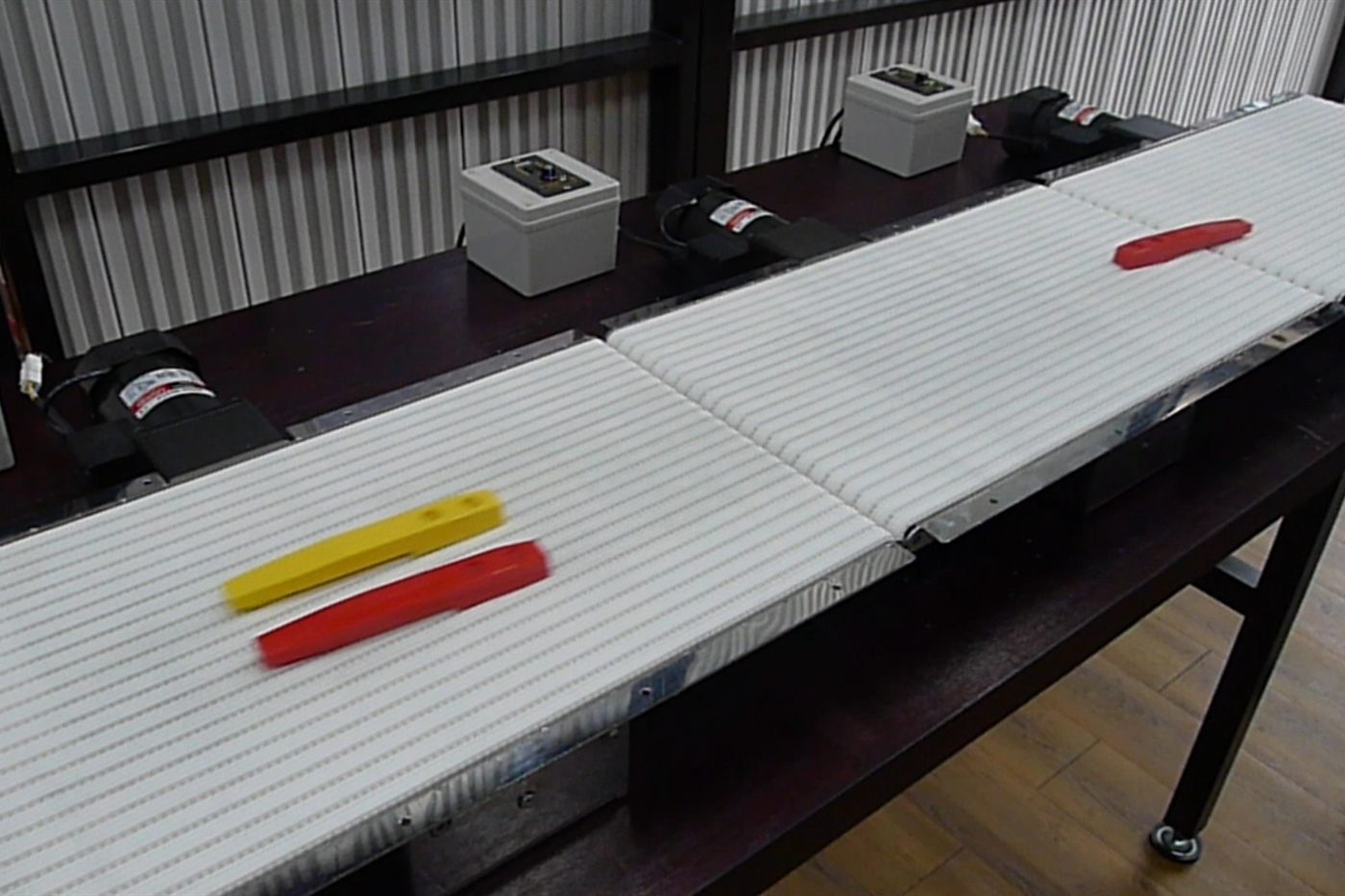
Compact transfers between machines, helping small products cross the gap.
A separate entry, not a variant of the three above: configured to the layout, orientation and connection points a particular installation requires.
Integration
A conveyor rarely arrives into empty space. It has to meet what is already there — at a given height, from a given direction, alongside equipment supplied by someone else.
NEXUS designs and manufactures the conveyor; you can integrate it into the line yourself or work with a system integrator. What NEXUS engineers is the machine and everything about how it connects: orientation, transfer, footprint and interface.
What NEXUS asks about
What NEXUS supplies
How we work
In service
Three installations, recorded the way a buyer reads them.
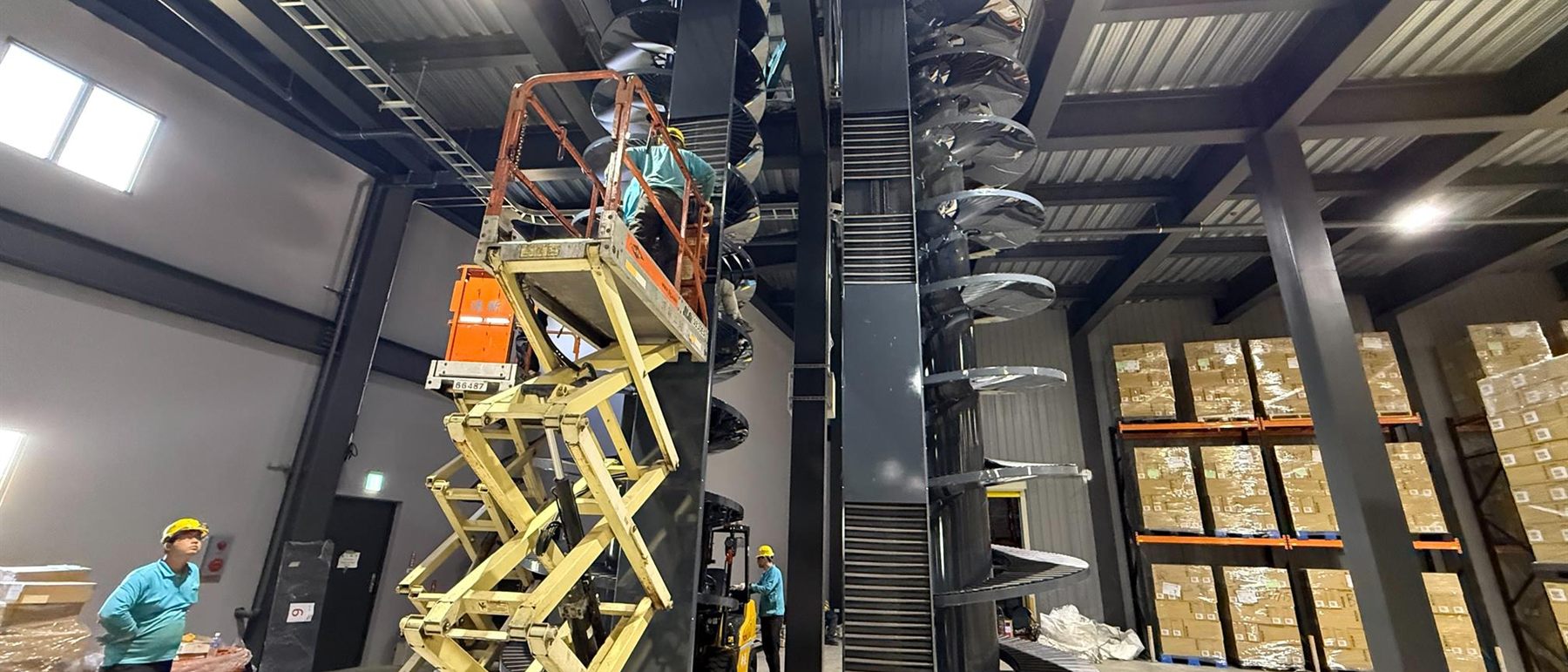 Logistics · Cartons · Elevation
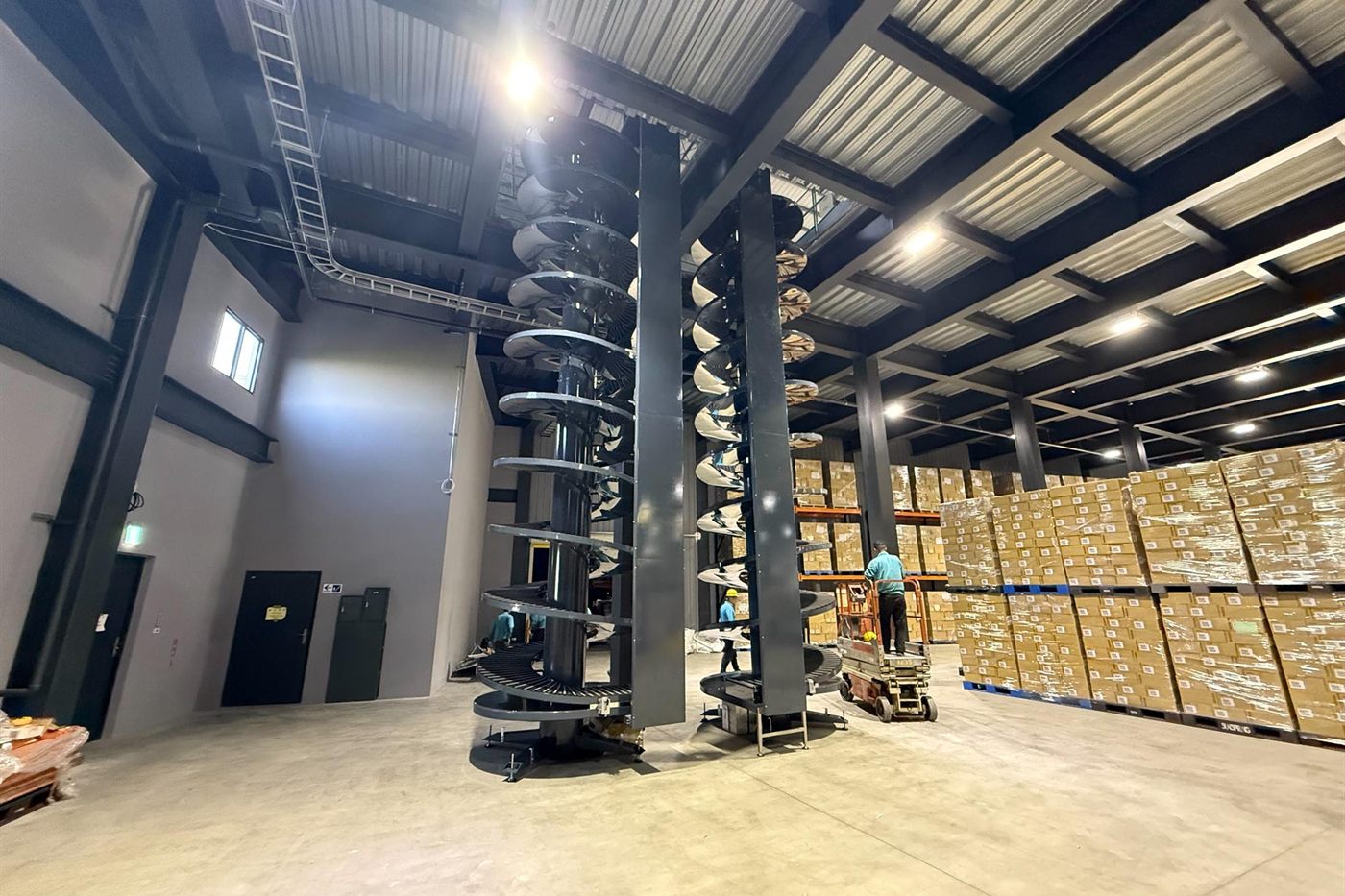
Unit load spirals in a distribution centre
Unit load spiral conveyors elevating cartons between levels, installed among the existing racking.
Logistics · Cartons · Elevation
Unit load spirals in a distribution centre
Unit load spiral conveyors elevating cartons between levels, installed among the existing racking.
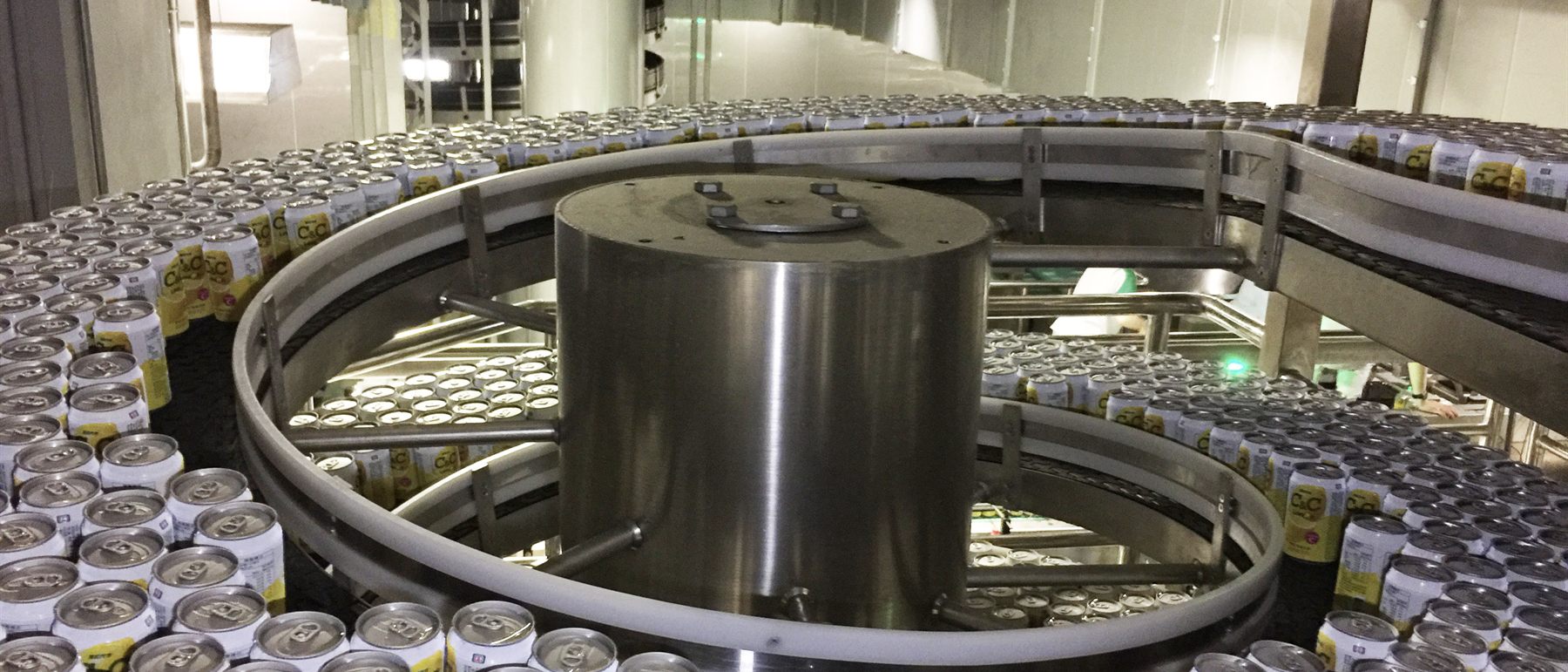 Beverage · Cans · Accumulation
Spiral accumulation between filling and packing
A spiral accumulation conveyor holding filled cans on the track between two process steps.
Beverage · Cans · Accumulation
Spiral accumulation between filling and packing
A spiral accumulation conveyor holding filled cans on the track between two process steps.
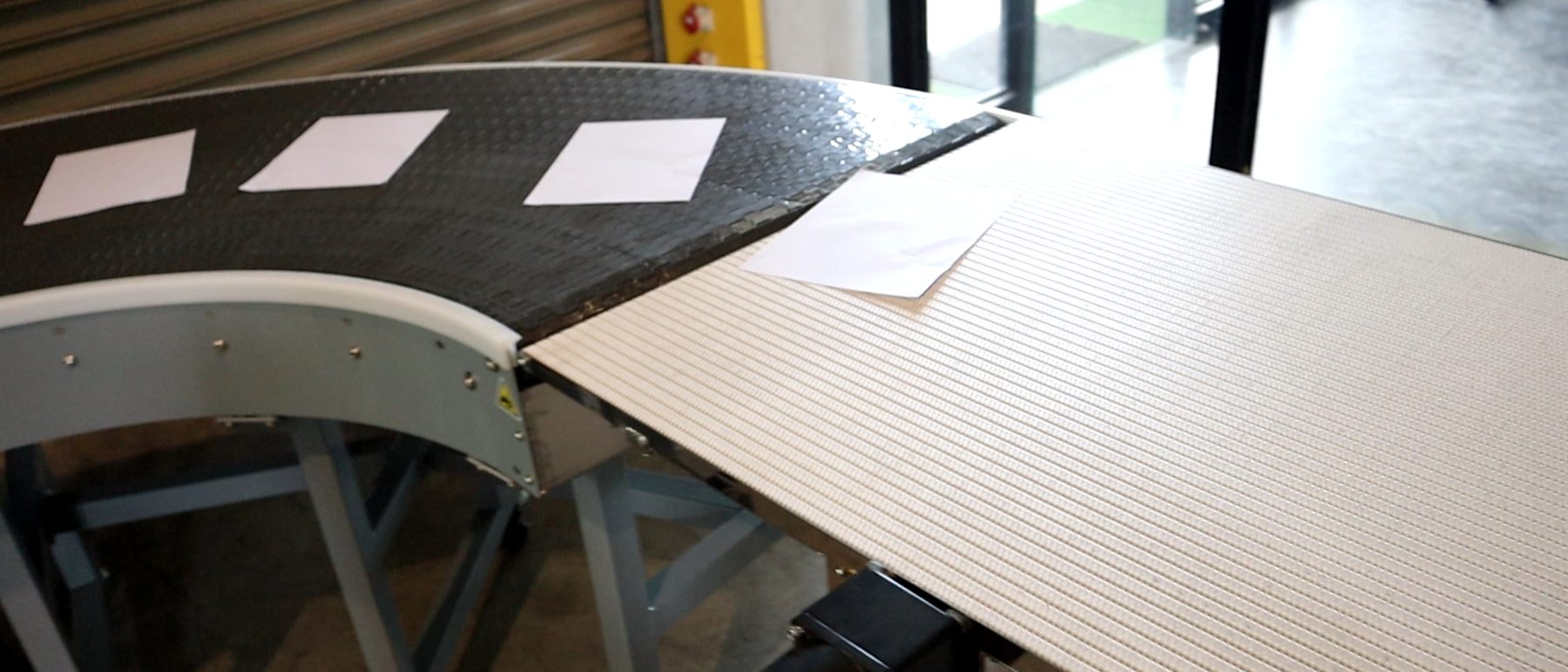 Print · Printed material · Direction change
Curve conveyors on a print line
A curve conveyor turning printed material between two straight runs on a working line.
Print · Printed material · Direction change
Curve conveyors on a print line
A curve conveyor turning printed material between two straight runs on a working line.
Start here
Send the goods, the heights and the space you are working with. We will come back with a configuration and the questions we still need answered.
Discuss your application Or email service@nexus-spiral.com